|
|
|
|
|
|
|
| saving the small things that run the planet
|
|
|
|
|
|
|
|
|
|
|
|
Wildlife groups seek support to protect Loch Ness wildlife
|
|
|
|
|
|
|
|
|
Local community groups and national wildlife organisations have come together to protect one of Scotland’s most iconic lochs and landscapes. Loch Ness in the Highlands is known around the world for its beauty and legends, with its waters and surrounding habitats supporting a wealth of wildlife. However, proposals for a new Pumped Storage Hydro development would see the destruction of ancient woodland and harmful impacts to the freshwater ecology of Loch Ness- and wildlife groups are looking for help to cover the costs of much needed legal advice and expertise to challenge the scheme. Loch Ness is one of the largest freshwater bodies in the UK, but despite its impressive scale, it is a sensitive ecosystem. An array of aquatic invertebrates inhabit the loch, from the shallow bays to deeper waters, while many birds and fish, including the Endangered Atlantic Salmon and Critically Endangered European Eel, rely on this abundance of invertebrates. Salmon migrate through the loch to the spawning grounds of their natal rivers, where they have a vital role in the life cycle of the Critically Endangered Freshwater Pearl Mussel (Margaritifera margaritifera).
|
|
|
|
|
|
|
Critically Endangered Freshwater Pearl Mussel (Margaritifera margaritifera) © Sue Scott- SNH
|
|
|
|
|
|
|
|
|
Ness Woods Special Area of Conservation (SAC), which includes the Easter Ness Forest Site of Special Scientific Interest (SSSI) lies on the eastern shore. This unbroken stretch of woodland has trees covered with mosses and lichen, and are home to internationally important communities of lichen, including the second largest British population of Nevesia sampaiana, while these rich lichen assemblages in turn provide suitable habitat for invertebrates, such as the Nationally Rare and superbly camouflaged Lichen Running Spider (Philodromus margaritatus). All of this alongside Otters and Red Squirrels. But wildlife organisations are concerned about the threat posed by proposals for the Loch Kemp Pumped Hydro Scheme- one of four existing or proposed such schemes for Loch Ness. Buglife, Boleskine Biodiversity Group, British Lichen Society and Ness District Salmon Fisheries Board and say that the entire 50 miles of Loch Ness shoreline will be subject to rapid and frequent unnatural water fluctuations, that its diverse invertebrate populations will struggle to cope with, while the migration of Atlantic Salmon will be affected and elver (young eels) will be drawn into intake pipes. All of this is alongside the wholesale ecological change to Loch Kemp, uphill of Loch Ness, and cleaving the largest extent of ancient semi-natural woodland in the Great Glen in two to build a power station and associated infrastructure.
|
|
|
|
|
|
|
|
|
|
|
|
|
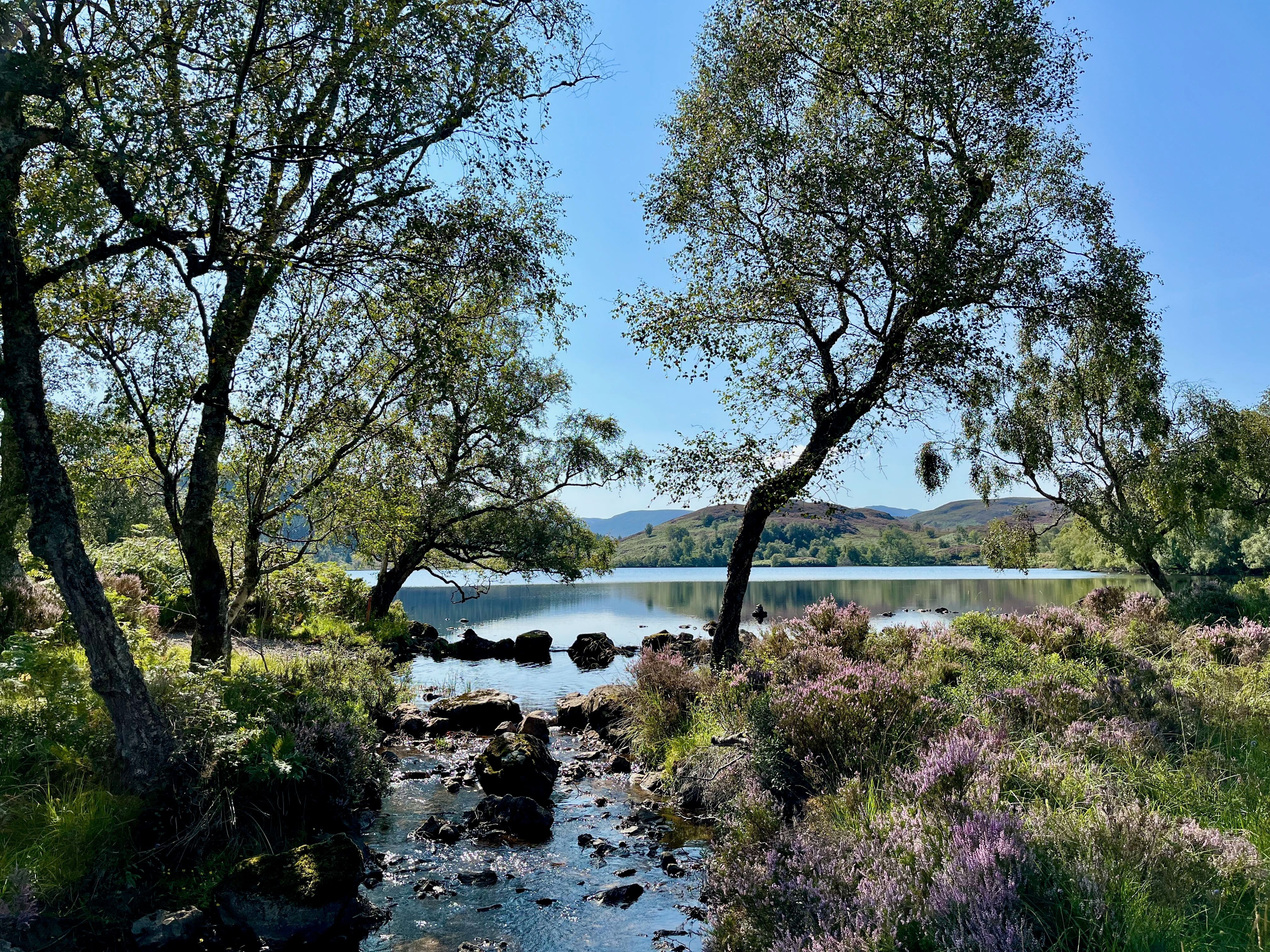
Loch Kemp © Neil Mackenzie, Boleskin Biodiversity Group
|
|
|
|
|
|
|
|
|
With a planning inquiry imminent this spring to gather more evidence on the proposals, a ‘Protect the wildlife of Loch Ness and Loch Kemp’ crowd funder has been launched through CrowdJustice by the wildlife groups. This will allow them to get the expert legal advice needed to navigate the examination and ensure the best arguments possible are made to defend the habitats and species of Loch Ness. Craig Macadam, Buglife Co-Leader and Director of Conservation said, “Loch Ness is one of Scotland's most iconic and cherished landscapes. At a time when we face a deepening nature crisis, these proposals lack the critical environmental information needed to understand the full impact of another pumped storage hydro scheme on the loch's fragile aquatic ecosystems.” Neil Mackenzie, from the Boleskine Biodiversity Groups said, “Ness Woods is a site of international importance, which together with its surrounding woodland have a vital role to play in nature recovery. Although we support renewable energy schemes, this is clearly not the right place as it carves through irreplaceable ancient semi-natural woodlands. We urge supporters to help us fund this appeal to access the legal expertise required to stand up for this special site and its wildlife.” Brian Shaw, Ness District Salmon Fishery Board Director said, “The Loch Kemp scheme will permanently damage the biodiversity of iconic Loch Ness, with the ecological impacts extending beyond to the greatest wildlife spectacle in the Highlands, which occurs at Chanonry Point, where dolphins prey on returning Atlantic salmon within metres of the shore”
|
|
|
|
|
|
|
|
|
|
|
|
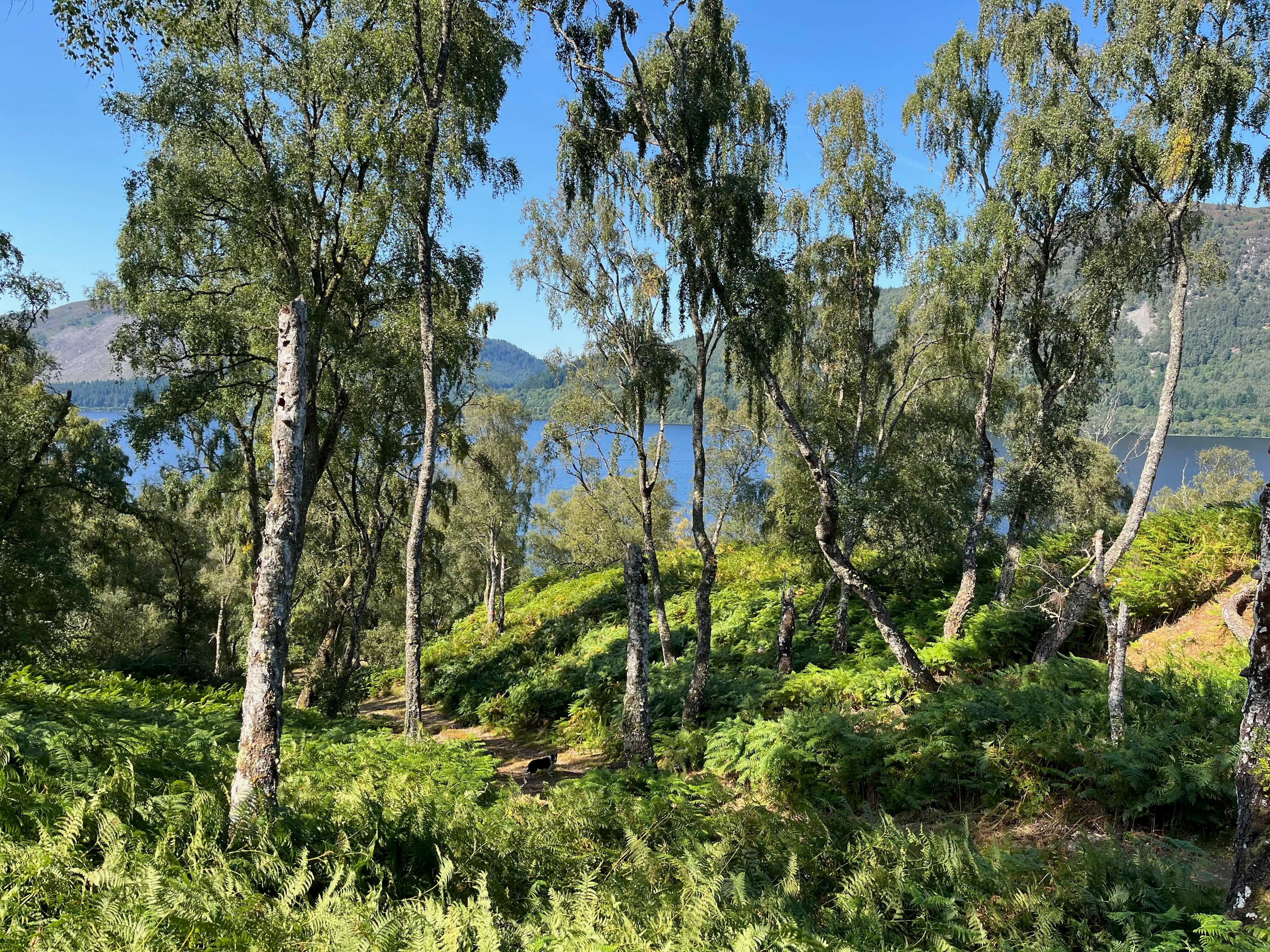
Ness Woods SAC upland birch woodland © Neil Mackenzie, Boleskin Biodiversity Group
|
|
|
|
|
|
Atlantic Salmon © Walter-Baxter CC BY-SA2.0
|
|
|
|
|
|
|
|
|
| Notes to Editor | The Crowd Justice ‘Protect the wildlife of Loch Ness and Loch Kemp’ appeal is live as of 8am Monday 12 January at https://www.crowdjustice.com/case/protect-the-wildlife-of-loch-ness/ For further information please contact | Images: Please note that these images are for one-off use only in connection with this story. All photographers must be credited. About Buglife | Buglife - The Invertebrate Conservation Trust is the only charity in Europe devoted to the conservation of all invertebrates. Our aim is to halt the extinction of invertebrate species and to achieve sustainable populations of invertebrates across the UK. We are working hard to achieve this through: Undertaking practical conservation projects that will contribute to achieving our aim. Promoting the environmental importance of invertebrates and raising awareness about the challenges to their survival. Assisting in the development of legislation and policy that will ensure the conservation of invertebrates. Developing and disseminating knowledge about how to conserve invertebrates. Encouraging and supporting invertebrate conservation initiatives by other organisations in the UK, Europe and worldwide. Further information is available on Buglife’s website at www.buglife.org.uk
|
|
|
|
|
|
|
|
|
Company No. 4132695 | Registered Charity No. 1092293 | Scottish Charity No.SC040004
Buglife - The Invertebrate Conservation Trust is a company limited by guarantee Registered in England at Allia Future Business Centre, London Road, Peterborough, PE2 8AN
|
|
|
|
|
|
|
|
|
Sent by:
Buglife - The Invertebrate Conservation Trust
Allia Future Business Centre, London Road, Peterborough, Cambridgeshire, PE2 8AN
United Kingdom
For all inquiries, please contact us at: Nikki.Banfield@buglife.org.uk
If you would like to opt out of future emails, please unsubscribe
|
|
|
|
|
|